ASPIRE will welcome the world’s first IVF baby, Louise Brown, as a special guest at its 2027 Congress in Yokohama, Japan from 6 to 9 May.
Louise was born in England on 25 July 1978 and given the middle name Joy by Dr Patrick Steptoe, who delivered her by Caesarean section. Dr Steptoe said her birth would bring joy and hope to childless people around the world.
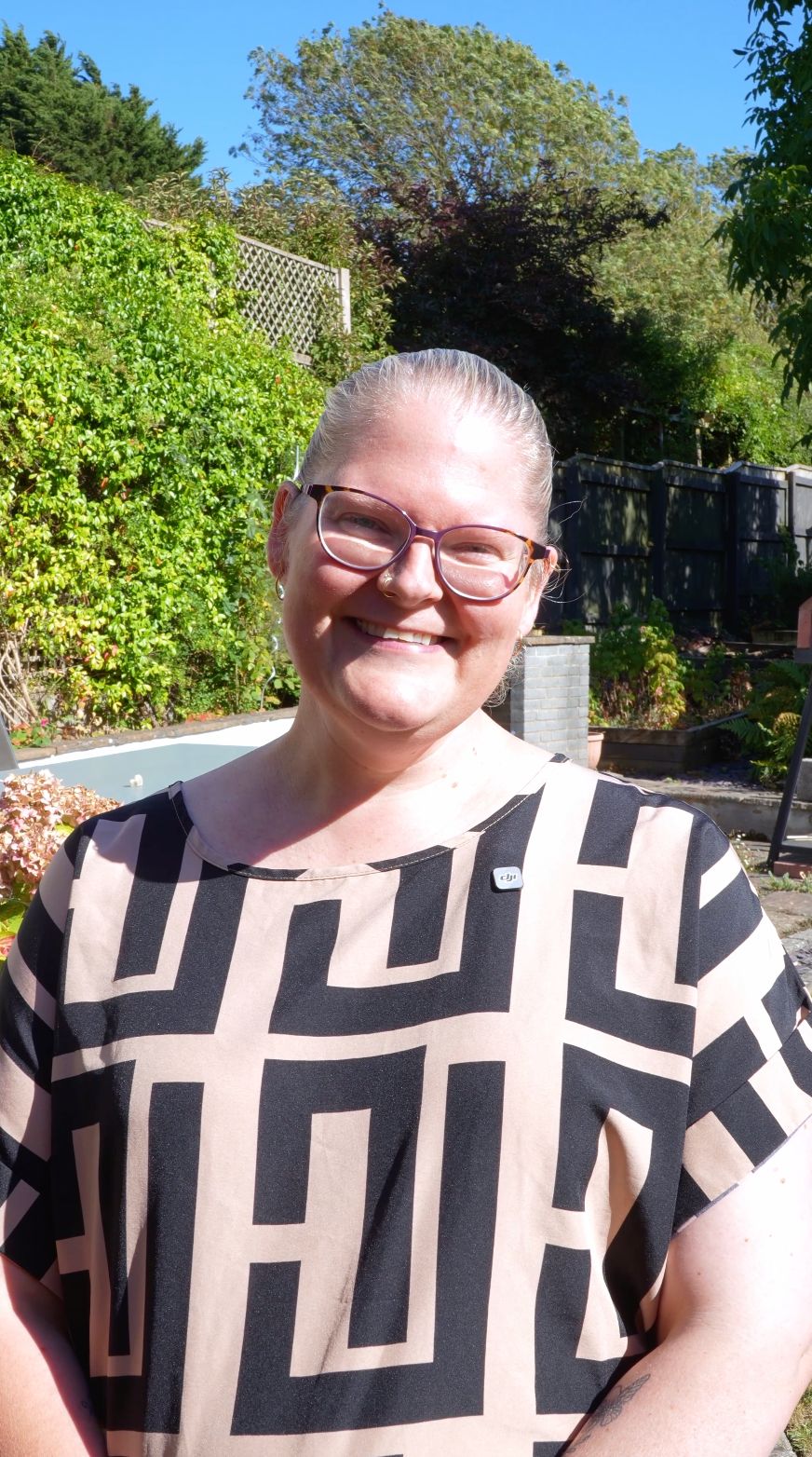
“Being the world’s first IVF baby has taken me to all corners of the world,” Louise said. “I am passionate about breaking the silence on all things fertility and ending the taboo about getting help for fertility issues or being born through scientific means.
“I enjoy making media appearances and attending events to explain how IVF came about and lending help and support to all those trying to conceive and those who work in IVF and the science that brought me into the public eye.
“My birth was the result of pioneering work by Patrick Steptoe, obstetrician and gynaecologist, and Robert Edwards, biologist and physiologist, helped by research assistant and nurse Jean Purdy.
“It was the most remarkable medical breakthrough of the 20th century and also meant the end of 10-year journey by my parents, Lesley and John Brown, who had been trying to conceive.”
Louise is an ambassador of the International Federation of Fertility Societies More Joy Campaign to develop and support policies that reduce infertility risk factors and make fertility care more accessible, affordable and fairer.
In welcoming Louise to the 2027 Congress, ASPIRE will celebrate almost five decades of IVF and the birth of around 17 million babies through the technology. The Congress will focus on how far assisted reproductive technology has advanced, and the possibilities ahead.
Zen and Innovation: Harmony in Reproductive Medicine is the theme of the 2027 ASPIRE Congress in Yokohama.
Professor Yutaka Osuga, Chair of the Congress Local Organising Committee, says the theme “beautifully captures the essence of how a calm and enlightened approach paves the way for best practices amidst the rapid advancement of technology.”
Japan is a leader in reproductive medicine reporting the highest number of IVF/ICSI cycles worldwide.
Professor Osuga said the Congress would deliver a diverse array of topics at the leading edge of assisted reproduction with inspiring regional and international lecturers.
May is an enchanting time to visit Japan and Yokohama, a 30-minute train ride from the heart of Tokyo, is a waterfront city perfectly blending heritage, culture and innovation.
Registration for the Congress will open on 31 August 2026 and early bird registration closes on 18 December. The abstract submission deadline is 6 November.
For more information, go to https://aspire2027.com